

Harnessing Tech For Health: The Impact Of Fitness Apps On Wellness
Posted on : July 05, 2024
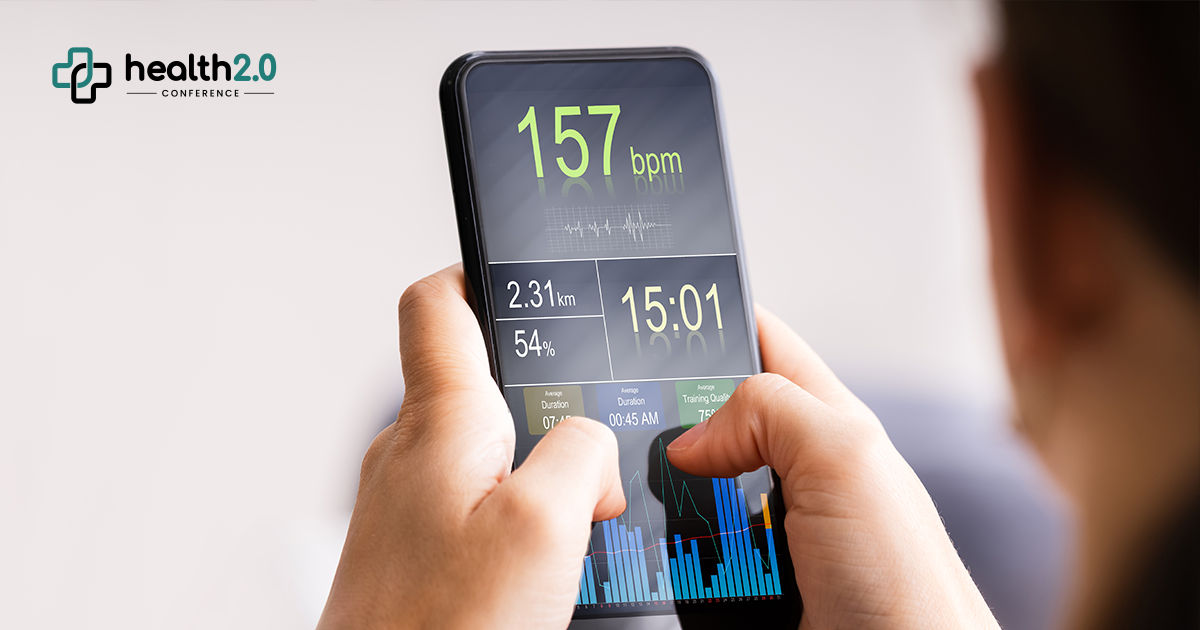
In our tech-savvy era, we've seamlessly integrated technology into almost every aspect of daily life, and our pursuit of health and fitness is no exception. Once a novelty, fitness apps have become essential tools in our wellness arsenals, transforming smartphones into personal trainers, nutritionists, and health monitors. As these apps evolve, they continue to reshape our health habits and encourage us towards more active and informed lifestyles. Let’s delve into how these apps are shaping our approach to wellness in this blog with insights from one of the anticipated 2025 healthcare events, the Health 2.0 Conference.
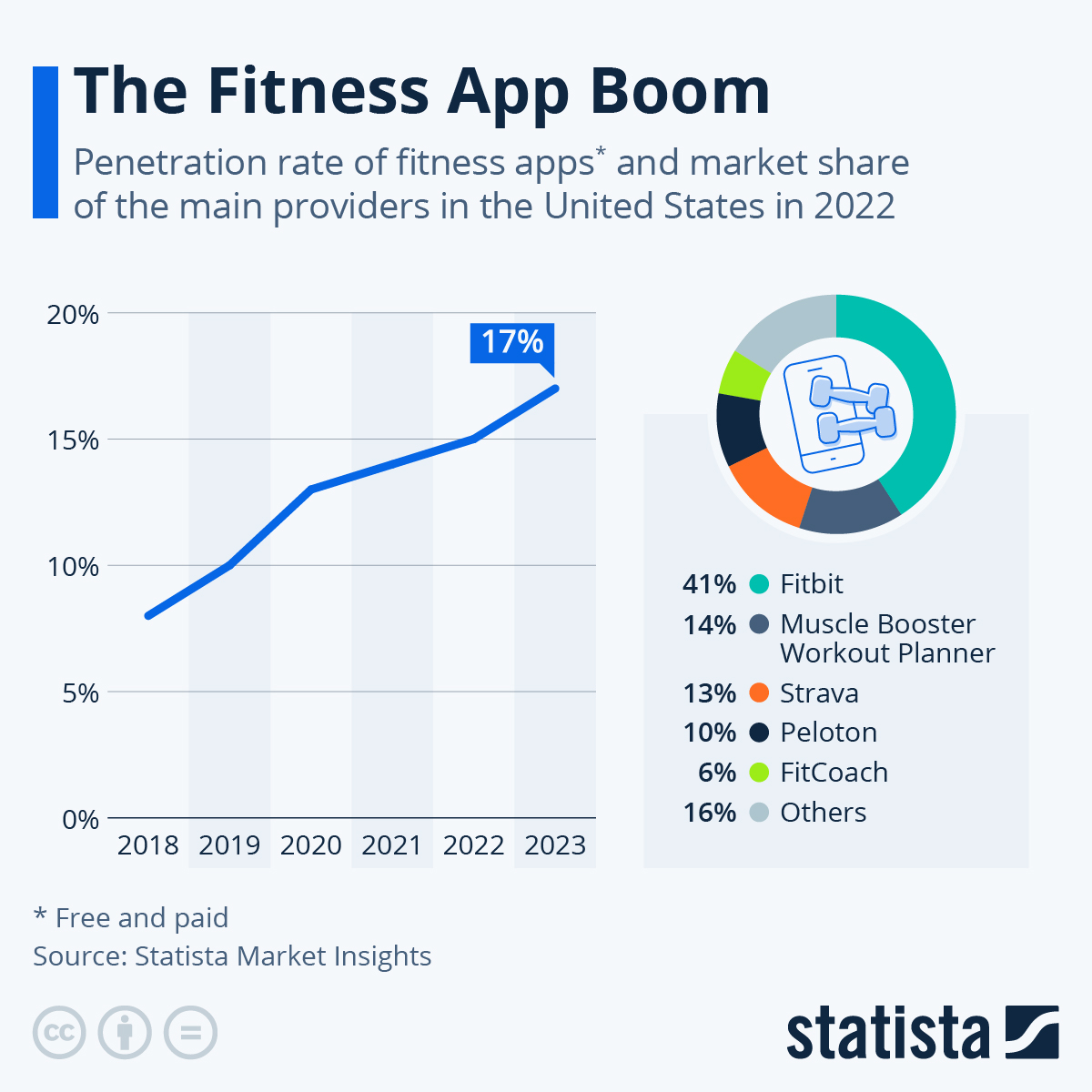
Source: Statista
The Evolution Of Fitness Apps
The landscape of fitness technology has witnessed a remarkable transformation over the past decade. From simple devices that only counted steps to complex systems that monitor and analyze a wide range of health metrics, fitness apps have evolved into sophisticated health management tools. This evolution reflects broader technological advances and a growing consumer demand for personalized health information.
- From Step Counters To Health Coaches: Initially, fitness apps were basic step counters, but they have rapidly evolved into comprehensive platforms offering a variety of health-tracking features. This transformation has been supported by advances in mobile technology, which have enhanced the accuracy and functionality of these apps.
- Technological Enhancements: Innovations like GPS tracking, heart rate monitoring, and integration with wearable technology have broadened the scope and accuracy of fitness data collection, enabling these apps to provide more precise health insights and real-time feedback. These enhancements have made it possible for users to receive a holistic view of their health directly from their smartphones.
Key Features Of Fitness Apps
The diversity of features available in fitness apps can be staggering, yet they all serve the fundamental purpose of enhancing user health and fitness. From monitoring workouts to providing dietary feedback, these apps offer a number of tools to help users achieve their personal health goals. Discussions at healthcare conferences such as the Health 2.0 Conference often highlight how these multifaceted features integrate seamlessly to form comprehensive health management systems, further bridging the gap between technology and everyday wellness.
- Activity Tracking: Modern fitness apps track a wide range of physical activities, providing data on everything from steps taken to calories burned and elevation gained.
- Nutrition Logging: These tools help users track their dietary habits by logging meals and analyzing nutritional intake, which is crucial for balancing diet and exercise.
- Goal Setting: Fitness apps allow their users to set and monitor goals, providing a clear roadmap to achieving personal health objectives.
- Personalized Recommendations: With advancements in AI, fitness apps can now offer customized workout and diet plans based on user preferences and historical data, making the path to wellness more tailored and effective.
Psychological Effects Of Using Fitness Apps
The impact of fitness apps extends beyond the physical; they also play a significant role in shaping our mental and emotional well-being. By understanding the psychological effects of these apps, users can better utilize them to build motivation and avoid potential stressors. This section explores how fitness apps influence user psychology through features like gamification and continuous feedback.
- Motivation Through Gamification: By incorporating elements of gaming, such as points, leaderboards, and rewards, fitness apps create a fun and competitive environment that significantly enhances user engagement and motivation. This gamification helps keep the fitness journey exciting and engaging, encouraging users to stay committed to their health goals.
- The Double-Edged Sword Of Constant Monitoring: While some find this continuous feedback encouraging, others might feel overwhelmed or discouraged by high expectations or slow progress. The key is to use these tools as motivators rather than judges, understanding that every user's journey toward health and wellness is unique, unfolding at its own pace. Insights gleaned from healthcare conferences often highlight the importance of personalized feedback mechanisms in fitness apps, which can help tailor the user experience to avoid these feelings of discouragement.
Future Trends In Fitness Apps
As technology rapidly advances and expands, fitness apps are poised to leverage the latest advancements to enhance user experience and effectiveness. The future of fitness technology is bright, with emerging trends focusing on more personalized, immersive, and integrated solutions. Let’s explore the potential future trends in fitness apps that could further revolutionize the way we approach health and fitness, as suggested by experts at leading healthcare conferences across the globe.
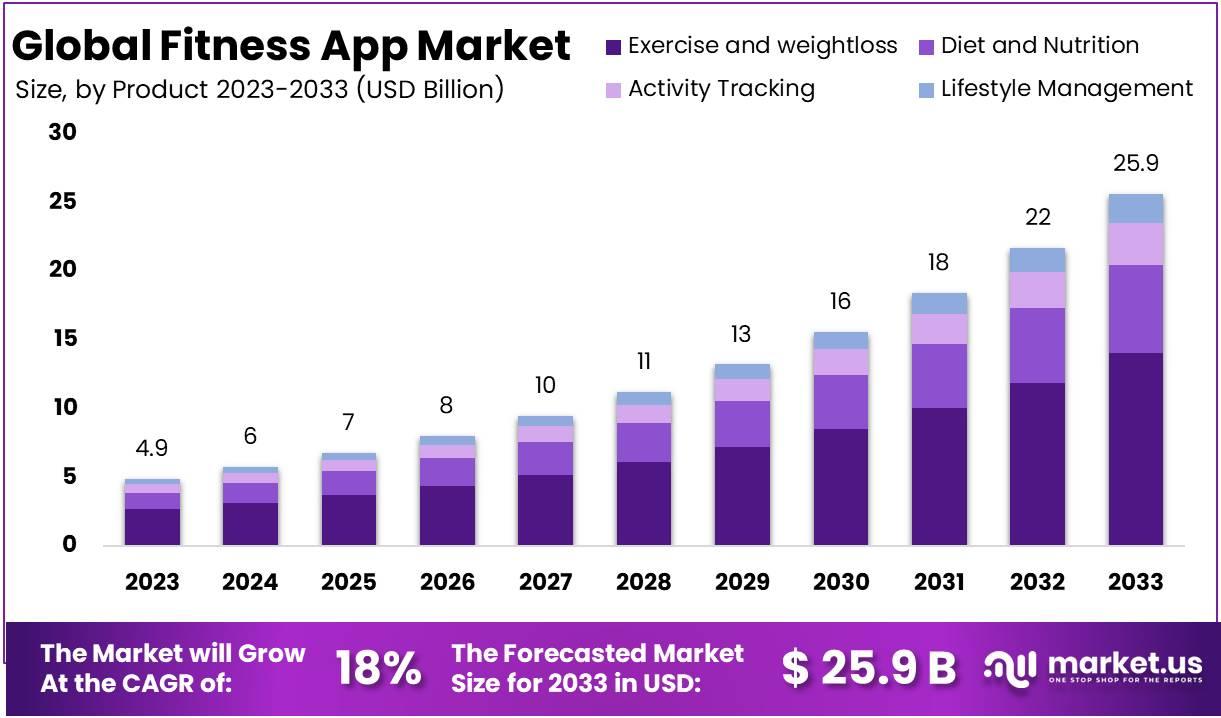
Source: GlobeNewswire
Immersive Technologies: Augmented Reality (AR) and Virtual Reality (VR) are set to transform fitness apps by making workouts more engaging and interactive. Imagine donning a VR headset and cycling through the French Alps or practicing yoga on a serene beach without leaving your living room. AR could overlay fitness metrics onto your real-world environment, providing a seamless blend of data and life.
Integration With Healthcare Systems: The integration of fitness apps with healthcare systems is an anticipated trend that could significantly enhance preventative care and personal health management. By syncing app data with medical records, healthcare providers can gain a more in-depth view of a patient's lifestyle and health habits. This could lead to more personalized healthcare plans and timely interventions, potentially improving outcomes for chronic conditions such as diabetes and heart disease.
Artificial Intelligence And Machine Learning: Advanced artificial intelligence and machine learning are expected to play a crucial role in the next generation of fitness apps. These technologies can analyze a large number of data to provide highly personalized fitness and nutrition plans.
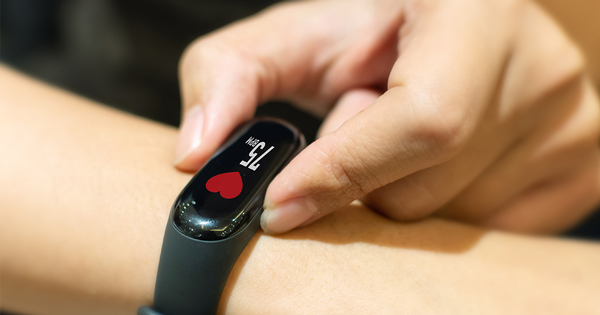
Wearable Integration: As wearable technologies continue to improve, their integration with fitness apps will likely deepen. Future fitness apps might automatically adjust workout plans based on data received from wearables, such as stress levels, sleep quality, and heart rate variability.
Conclusion
Fitness apps have woven themselves into the fabric of modern health and wellness. They offer a promising tool for improving physical health and promoting a more disciplined and informed lifestyle. As we continue to embrace these technologies, it's exciting to think about how they will evolve next, continually redefining the boundaries of what tech can do for health. Looking ahead to 2025, these advancements could be a focal point at major 2025 US healthcare events, such as the Health 2.0 Conference, where the integration of technology and wellness will undoubtedly be a key topic of discussion. For more information about the Health 2.0 Conference, please visit- www.health2conf.com.
FAQs
- How have fitness apps transformed from simple tools to complex health management systems?
Fitness apps have evolved significantly, initially serving as basic step counters and now functioning as comprehensive health management systems. This transformation is supported by technological advances, enabling these apps to offer a range of features from activity tracking to nutrition logging and personalized health recommendations.
- How will the Health 2.0 Conference in 2025 explore the integration of fitness apps with healthcare systems?
At the Health 2.0 Conference in 2025, discussions will likely focus on how syncing fitness app data with medical records can enhance preventative care and health management, leading to more personalized healthcare plans and better outcomes for chronic conditions.
- What are some key features of modern fitness apps that make them indispensable tools for health management?
Modern fitness apps offer a myriad of features such as detailed activity tracking, nutrition logging, goal setting, and personalized recommendations. These features collectively help in forming a holistic view of an individual's health, thereby assisting in better health management.
- Can you explain the anticipated integration of fitness apps with healthcare systems?
The anticipated integration involves syncing fitness app data with medical records, which could enhance preventative care and personal health management. This integration allows healthcare providers to have a more comprehensive view of a patient's lifestyle and health habits, potentially leading to personalized healthcare plans and better health outcomes.
- How will the 2025 Health 2.0 Conference address the impact of AI and machine learning on fitness app customization?
The 2025 Health 2.0 Conference will delve into the potential of AI and machine learning in fitness apps. By leveraging these technologies, fitness apps can offer more personalized fitness and nutrition plans. This approach allows for highly tailored advice derived from extensive data analysis, enhancing the effectiveness and individualization of health regimens.
Recent Blogs
-

Pluralistic Health Systems: Challenges & Advantages
Posted on : April 17, 2023 -

What's Next In Pharma?
Posted on : April 12, 2023 -

Driving Structural Changes For Health Equity
Posted on : April 06, 2023 -

Wonders Of Modern Medical Treatments In Hospital Settings
Posted on : March 23, 2023 -

U.S. Population Health and School Nutrition Policies
Posted on : March 22, 2023 -

Tech-Driven Mental Health Programs: Innovative Solutions
Posted on : March 07, 2023 -

Improving Hospital Design For Better Infection Control
Posted on : February 24, 2023 -

Public Hygiene: Building A Healthy Community
Posted on : February 23, 2023 -

Nursing As A Profession In 2023: Issues & Interventions
Posted on : February 23, 2023 -

The Evolution Of Telehealth: Health 2.0’s Panelists Assess Its Future
Posted on : February 22, 2023