

Health 2.0 Conference Highlights Challenges And Opportunities In Alzheimer’s Diagnosis
Posted on : December 22, 2025
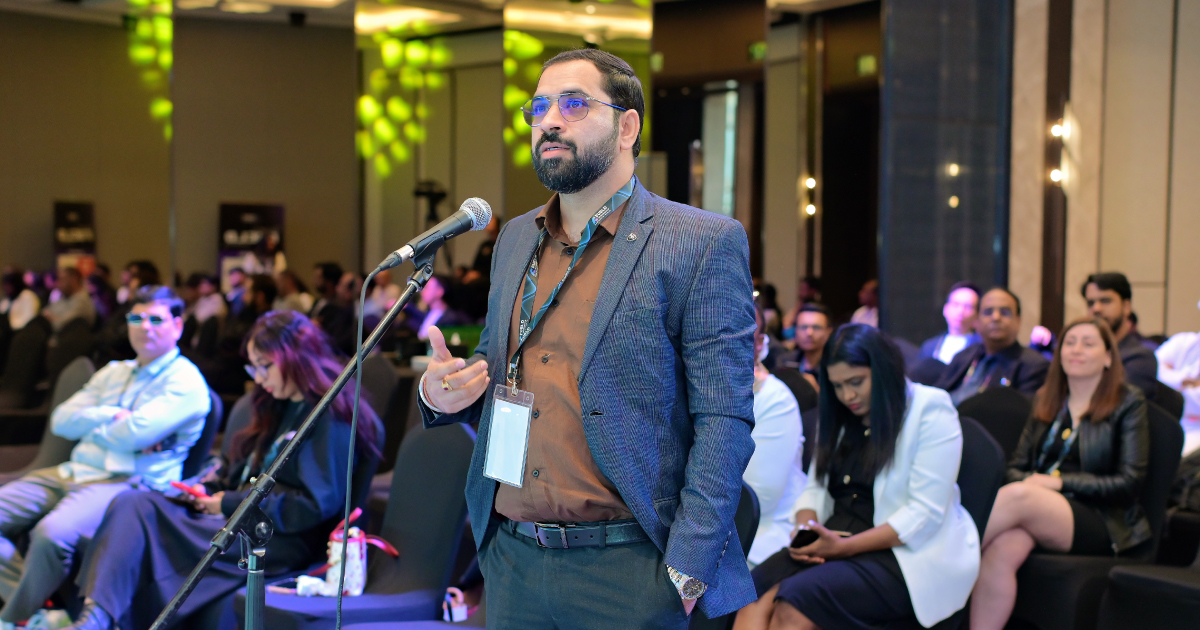
Dementia and Alzheimer’s remain among the most pressing health challenges of our time, affecting not only patients but also families and caregivers who struggle with its emotional and practical toll. The urgency for earlier diagnosis has never been greater, as late detection often leaves families unprepared and limits the options for slowing progression. This critical issue took center stage at the Health 2.0 Conference, where experts came together to explore how early detection can reshape the future of care.
The panel discussion, “Early Detection And Diagnosis Of Alzheimer’s: Challenges And Opportunities,” featured Stephanie Oden, Nikos Chatzibalasis, Reza Abdoli, and Prof. Dr. Robert H. Schiestl. Each speaker brought perspectives shaped by their work in assisted living, holistic medicine, healthcare solutions, and research innovation. Their dialogue offered not only scientific and clinical insights but also reflections on caregiving realities, barriers to access, and emerging opportunities to improve patient outcomes.
At our health conference in Vegas, this conversation stood out as a potent reminder that tackling Alzheimer’s requires more than medical breakthroughs. It demands collaboration, compassion, and systems designed to give families hope through earlier intervention.
Why Early Detection Changes The Story For Families
One of the clearest takeaways was the importance of early detection. In assisted living and memory care, Stephanie Oden has seen families receive diagnoses only when the disease is already advanced. She explained that this delay shortens the meaningful time families can spend together and reduces opportunities for timely intervention.
AI is offering new tools to change this story. Reza Abdoli described how machine learning models are being used to analyze MRI scans, track patient movements, and even interpret speech changes to flag potential issues sooner. These insights, he noted, can detect risk patterns before visible decline begins, allowing doctors to act before damage is irreversible.
Adding another perspective at our health summit, Prof. Dr. Robert H. Schiestl emphasized that even later-stage patients can see benefits when technology supports more sensitive detection. By slowing progression, patients often feel better, live longer, and remain engaged with loved ones. Early or late, better detection makes a tangible difference.
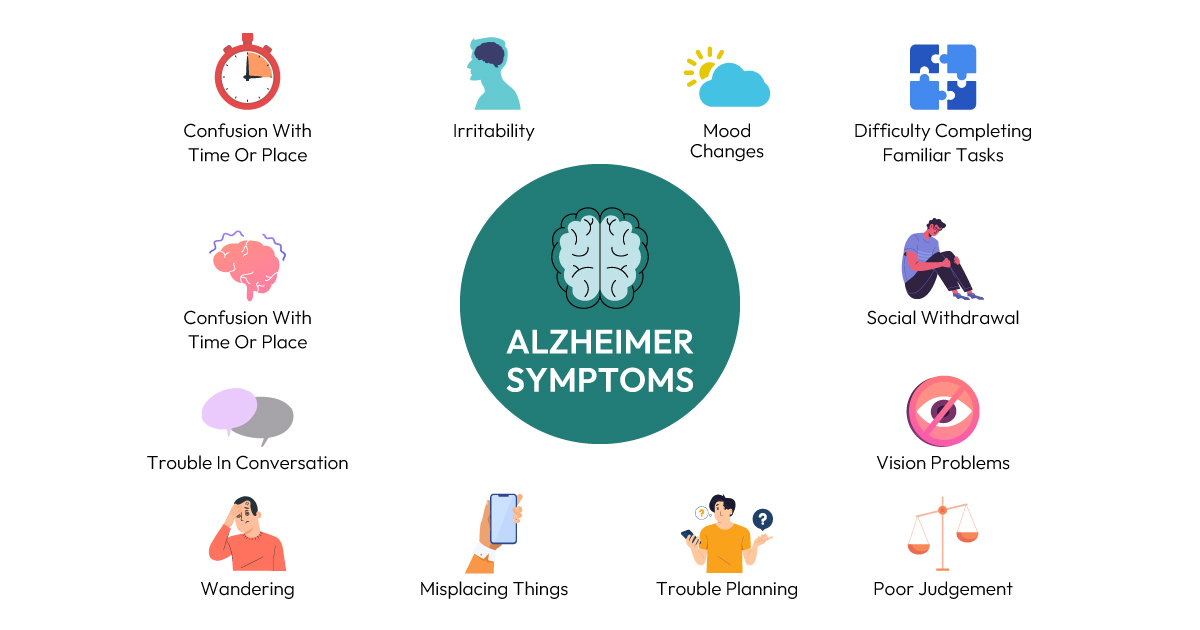
Source: Discovery Commons
Prevention Starts Before Symptoms Show Up
The panel also reminded the audience that prevention matters just as much as treatment. Dementia does not develop overnight; it is shaped by years of underlying factors. Toxicity from heavy metals, radiation exposure, viral infections, and chronic stress can all play a role. Nikos Chatzibalasis highlighted how these invisible contributors create a foundation for decline long before symptoms appear.
His work focuses on finding these patterns earlier and addressing them through nutrition, lifestyle adjustments, and holistic practices. He shared examples of combining homeopathic remedies with personality assessments to support patients before the disease takes hold. While not a replacement for clinical diagnostics, this approach gives doctors and therapists more tools to consider when working to prevent neurodegenerative decline.
Challenges That Delay Accurate Diagnosis
At our health summit, Reza Abdoli drew attention to the fact that nearly 60% of Alzheimer’s diagnoses occur in late stages. He explained that advanced procedures like PET scans and lumbar tests are often performed too late, which limits the effectiveness of interventions. Earlier testing, such as genetic studies, MRI scans, and regular monitoring, could make a critical difference. He urged professionals to prioritize these steps before irreversible damage occurs.
Prof. Dr. Robert H. Schiestl added that cognitive assessments are becoming more sensitive and can reveal early changes through repeated lapses in memory or language. These tools, he said, can guide patients toward help sooner, especially as the risk of Alzheimer’s rises with age.
The Real Challenge Lies In Access & Affordability
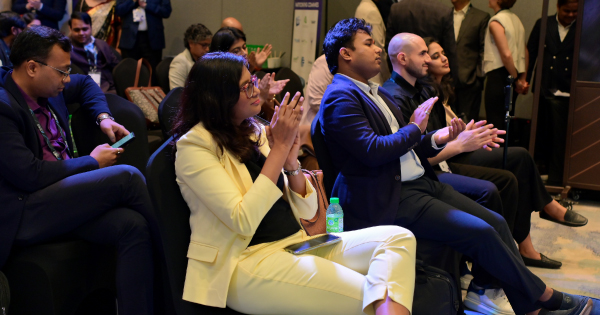
Technology’s promise does not erase the reality of unequal access. Many patients never receive timely diagnostic tests such as MRIs or PET scans simply because they cannot afford them or do not live near facilities that provide them. Reza Abdoli pointed out that nearly 60% of Alzheimer’s diagnoses come at late stages, in part because patients lack early access to these critical tools. Financial limitations, cultural differences, and geography all create barriers that must be addressed.
Accessibility also extends beyond cost. Nikos Chatzibalasis stressed that prevention and emotional support are equally important. If families and communities cannot engage with these resources, innovations risk remaining out of reach for those who need them most.
The audience discussion added another layer. Families spoke about difficulties securing appointments with specialists. In response, Stephanie Oden suggested considering mobile doctors and virtual options, while Reza Abdoli cautioned that insurance coverage remains a challenge when care crosses state lines. Together at our Health 2.0 Conference, their points underscored that access involves both affordability and availability.
Innovation And Research Bring New Hope To Patients
The panel at our health summit also turned its focus to the possibilities opened by research. Prof. Dr. Robert H. Schiestl spoke about his patented chemical, now in clinical trials, which he believes could change the way Alzheimer’s is managed. While not a cure, he explained that it has shown the ability to halt disease progression, ease depression within days, and improve overall quality of life. What stood out most was his report that patients under trial care have not only felt more stable but have also avoided secondary health problems. For families navigating the uncertainty of Alzheimer’s, these early results offer a sense of hope that better outcomes may be within reach.
Looking Ahead At Alzheimer’s Care
What lies ahead for dementia care will require both scientific progress and human connection. Reza Abdoli shared his vision of making early diagnostic tools more accessible worldwide, regardless of income or geography. Nikos Chatzibalasis reminded the audience that prevention through nutrition, lifestyle changes, and emotional well-being must be part of the solution. Prof. Dr. Robert H. Schiestl emphasized that even advanced patients can still benefit when progression is slowed, giving families more meaningful time together.
Together at our health summit, the panel made it clear that progress will not come from science alone. It must also include education, trust, and systems of support that help patients and caregivers embrace new approaches with confidence.
Key Insights From Experts On Building Accessible Care!
Together, the panel’s perspectives made it clear that accessibility is about more than offering advanced diagnostics. It is also about ensuring those services reach every community that needs them. From early detection and sensitive testing methods to prevention strategies that address toxins, lifestyle, and emotional well-being, the discussion highlighted the urgent need to bring solutions closer to families.
At our health conference in Las Vegas, these conversations reminded attendees that affordability, availability of specialists, and trust in new approaches are as critical as scientific progress. Reza Abdoli’s call for broader access, Nikos Chatzibalasis’ emphasis on prevention, Stephanie Oden’s caregiving insights, and Prof. Dr. Robert H. Schiestl’s focus on slowing progression together showed that hope lies in combining innovation with compassion.
The Health 2.0 Conference continues to be a space where experts and innovators collaborate on solutions that address real-world challenges. As the dialogue evolves, the shared goal remains clear: building a future where patients and families facing Alzheimer’s receive earlier diagnoses, stronger support, and more meaningful time together.
FAQs
Q. How can technology help improve early detection of Alzheimer’s beyond traditional methods?
A. Traditional methods often detect Alzheimer’s too late, but technology offers new opportunities for earlier insights. Advanced imaging, cognitive testing apps, and analysis of speech or movement can reveal subtle warning signs before symptoms fully develop. When paired with regular screenings and family history reviews, these tools help patients receive a more accurate and timely diagnosis.
Q. What goes into preventing dementia before symptoms appear?
A. Prevention involves tackling hidden contributors—such as toxicity, stress, and lifestyle. Nikos Chatzibalasis highlighted holistic strategies like nutrition and tailored remedies based on personality cues to build resilience early on.
Q. What makes early detection so impactful for families?
A. Early detection preserves precious time. Stephanie Oden shared that knowing sooner allows families to plan, connect deeper, and access interventions that slow progression more effectively.
Q. What is the theme of the USA edition?
A. USA 2026 conference theme is “From Challenges To Change: Building The Next Era Of Healthcare,” with a focus on reshaping care delivery through innovation.
Q. Who generally attends the Health 2.0 Conference?
A. Attendees include healthcare providers, startups, policymakers, researchers, investors, and vendors—all coming together to drive healthcare transformation.
Recent Blogs
-

Health 2.0 Conference Explores The Hidden Cost Of Administrative Burden In Healthcare
Posted on : September 02, 2026 -
-
Health 2.0 Conference Unpacks Insights On The Future Of Remote Patient Monitoring In Healthcare
Posted on : August 18, 2026 -
Health 2.0 Conference Examines The Rise Of Prescription Software In Healthcare
Posted on : August 06, 2026 -
What Happens When Ancient Healing Meets Modern Science? Health 2.0 Conference’s Experts Weigh In
Posted on : July 20, 2026 -
How The Health 2.0 Conference Helps Healthcare Leaders Advance AI Adoption In Healthcare
Posted on : July 08, 2026 -
How Healthcare Startups Are Building Smarter Patient Experiences
Posted on : June 01, 2026 -
Health 2.0 Conference Partners With The Scale Agency To Strengthen Global Healthcare Engagement
Posted on : March 30, 2026 -
Unlock Next Generation Healthcare Solutions At Our Upcoming Health Summit In Las Vegas
Posted on : March 06, 2026 -
Health 2.0 Conference Highlights Challenges And Opportunities In Alzheimer’s Diagnosis
Posted on : December 22, 2025