

Health 2.0 Conference Unpacks Insights On The Future Of Remote Patient Monitoring In Healthcare
Posted on : August 18, 2026
Has it ever struck you how healthcare providers can monitor patients beyond the walls of a hospital or clinic while still supporting timely care? Nowadays, remote patient monitoring is becoming an increasingly important part of modern healthcare delivery. Imagine a patient with a chronic heart condition whose vital signs are automatically shared with healthcare providers via connected devices, which allows potential concerns to be identified before they become more serious complications. What once required frequent in-person visits can now often be supported through digital health technologies.
As healthcare systems continue to embrace digital transformation, remote patient monitoring is helping organizations improve patient engagement, expand access to care, and support more proactive health management. These developments continue to influence discussions at global healthcare conferences and digital health events, including the Health 2.0 Conference, where industry leaders examine emerging innovations shaping the future of care delivery.
TL;DR: Quick Overview
- Remote patient monitoring uses connected devices to collect and transmit health data.
- It supports ongoing monitoring outside traditional healthcare settings.
- Patients with chronic conditions often benefit from continuous tracking.
- Healthcare providers can gain access to more timely health information.
- Digital health technologies are expanding monitoring capabilities.
- Adoption may be influenced by technology, privacy, and accessibility challenges.
What Is Remote Patient Monitoring?
Remote patient monitoring (RPM) refers to the use of connected medical devices and digital technologies that collect patient health information and transmit it to healthcare providers for review. These solutions can support monitoring beyond traditional clinical settings and help healthcare professionals track patient health trends over time.
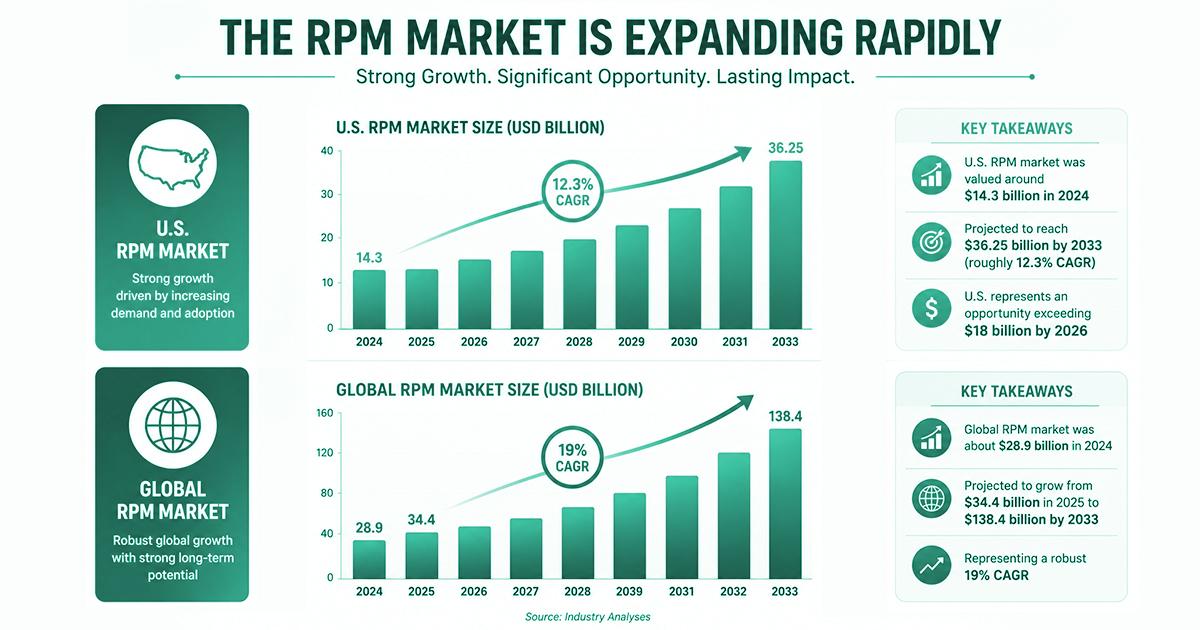
According to Fortune Business Insights, the global remote patient monitoring devices market size was valued at USD 59.92 billion in 2025 and is projected to grow from USD 71.29 billion in 2026 to USD 289.77 billion by 2034, exhibiting a CAGR of 19.16% during the forecast period. This highlights the increasing role of digital health technologies in healthcare delivery.
Why Remote Patient Monitoring Is Gaining Attention
The growing focus on patient-centered care, healthcare accessibility, and digital transformation has increased interest in remote monitoring technologies. Healthcare organizations are exploring ways to extend care beyond hospitals and clinics while maintaining visibility into patient health.
As healthcare systems continue to adopt digital solutions, remote patient monitoring remains an important topic of discussion at global healthcare conferences in 2026. Let us look at the several factors that are contributing to this growing attention:
-
Growing Need For Long-Term Care Management
Many healthcare systems are seeking solutions that support ongoing monitoring for individuals managing long-term health conditions. Remote monitoring technologies can help provide greater visibility into patient health between scheduled appointments and clinical visits.
-
Rising Expectations For Healthcare Access
Patients increasingly expect healthcare services that offer convenience and, when appropriate, reduce the need for frequent in-person visits. This shift is encouraging healthcare providers to explore care models that offer greater flexibility and accessibility.
-
Advances In Connected Health Technologies
Advances in connected devices, mobile applications, and cloud-based platforms have improved the ability to collect and manage health information remotely. These innovations are helping create more connected healthcare environments that support information sharing and care coordination.
-
Greater Emphasis On Proactive Care
Healthcare providers are placing greater emphasis on identifying trends and supporting earlier intervention whenever possible. Access to ongoing health data can help healthcare teams better understand changes in patient health over time.
The Broad Impact Of Remote Patient Monitoring
As healthcare delivery continues to evolve, remote patient monitoring offers potential advantages to several groups involved in the care process. Its growing role in patient engagement, care coordination, and healthcare accessibility continues to attract attention across the industry. The growing impact of RPM continues to shape discussions on healthcare innovation, patient engagement, and digital care delivery at global healthcare conferences and health events in 2026, including the upcoming edition of the Health 2.0 Conference in Singapore. The potential impact of remote patient monitoring extends across multiple stakeholders within the healthcare ecosystem, including:
- Patients With Chronic Conditions: Individuals managing long-term conditions may benefit from more consistent health monitoring and greater visibility into their health status between appointments.
- Healthcare Providers: Access to ongoing patient information can help providers better understand health trends and support more informed clinical decision-making.
- Rural & Underserved Communities: Remote monitoring can expand access to healthcare services for individuals facing geographic or transportation barriers.
- Healthcare Organizations: Organizations can gain additional insights into patient populations while exploring new approaches to care coordination and resource management.
- Family Members & Caregivers: Caregivers may benefit from improved visibility into patient well-being and greater confidence in ongoing health monitoring efforts.
5 Factors Influencing RPM Success
The growing adoption of remote patient monitoring is encouraging healthcare organizations to evaluate the capabilities and practices that support sustainable program success. Their importance is reflected in broader industry trends. Research shows that RPM interventions have demonstrated positive outcomes in patient safety and adherence, with a clear downward trend in hospital admissions/readmissions and a 38% reduction in the cost of care.
However, successful implementation depends on addressing key facilitators that support program sustainability. As remote patient monitoring programs expand, these capabilities can play an important role in supporting effective implementation and sustainable outcomes.
-
Patient Engagement
- Encourages active participation in monitoring activities.
- Supports consistent data collection and program effectiveness.
- Helps patients become more involved in managing their health and wellness.
-
Interoperability
- Helps different healthcare systems exchange information efficiently.
- Supports smoother clinical workflows and coordination.
- Reduces information silos that can affect care continuity and communication.
-
Data Security
- Protects sensitive health information from unauthorized access.
- Strengthens trust in digital healthcare solutions.
- Supports compliance with healthcare privacy and regulatory requirements.
-
Clinical Workflow Integration
- Helps healthcare teams incorporate RPM data into routine processes.
- Supports more effective use of collected information.
- Minimizes disruption by aligning monitoring activities with existing care practices.
-
Technology Accessibility
- Improves usability across diverse patient populations.
- Encourages broader participation in monitoring programs.
- Supports more equitable access to digital healthcare technologies and services.
Advancing Care Beyond Traditional Boundaries
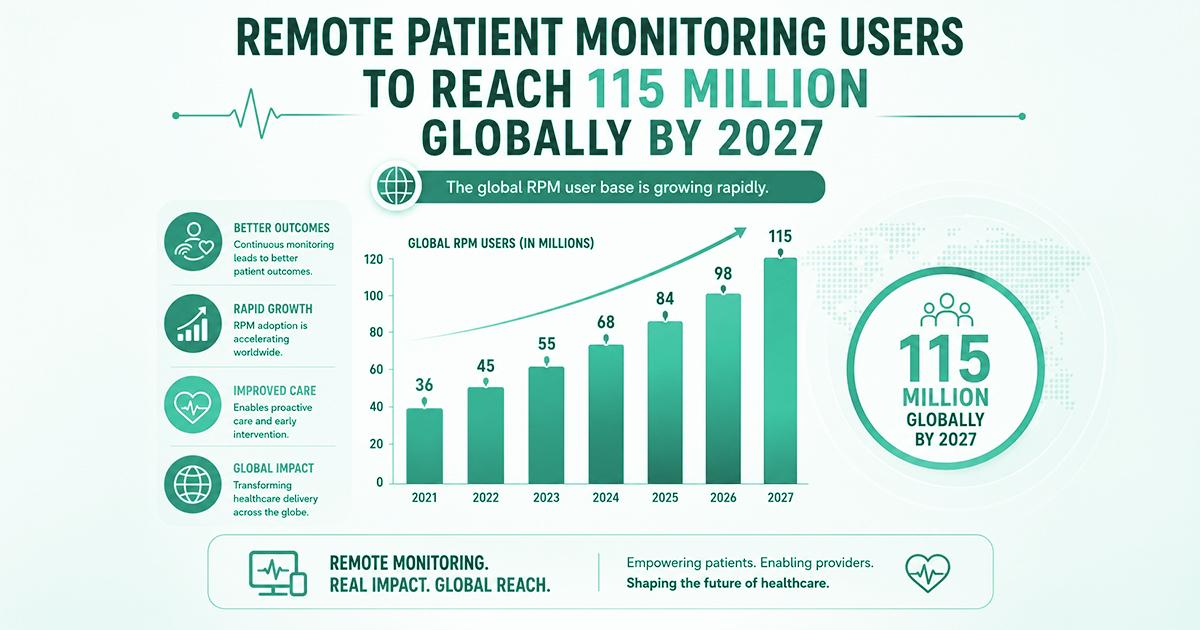
Healthcare delivery continues to evolve as organizations seek new ways to improve access, strengthen patient engagement, and support more informed care decisions. Remote patient monitoring is one example of how digital technologies are reshaping interactions between patients and healthcare providers while creating opportunities for more continuous health oversight.
As innovation continues to influence healthcare systems worldwide, the ability to effectively integrate digital tools into care delivery will remain an important area of focus. These developments continue to influence conversations at the Health 2.0 Conference. You can join the upcoming health summit in Singapore to connect with healthcare leaders, digital health innovators, and industry experts examining emerging trends in patient care, healthcare technology, and digital transformation.
FAQs
Q. What role does data security play in remote patient monitoring?
Data security is an important component of RPM programs because healthcare organizations must protect sensitive patient information while ensuring that authorized healthcare professionals can access relevant health data when needed.
Q. What challenges can affect the implementation of RPM programs?
Organizations may encounter challenges related to access to technology, connectivity, system integration, digital literacy, privacy considerations, and regulatory requirements when implementing remote monitoring initiatives.
Q. How can I participate in the Health 2.0 Conference?
Individuals interested in attending the upcoming health summit in Singapore can visit the conference website to explore participation opportunities, registration details, speaker sessions, networking events, and industry discussions.
Q. How is technology influencing the future of remote patient monitoring?
Advancements in wearable devices, artificial intelligence, cloud computing, and data analytics are expanding the capabilities of RPM solutions and supporting more connected healthcare experiences.
Q. When & where is the Health 2.0 Conference taking place?
The upcoming Health 2.0 Conference is scheduled for December 2–4, 2026, at Marina Bay Sands in Singapore.
Author Bio
Aayushi Kapil
Aayushi Kapil, one of the enthusiastic Health 2.0 Conference’s organizing team members, is passionate about learning new advances in the healthcare sector. Health 2.0 Conference provides a vibrant platform to highlight escalating hospital management systems, school nutrition policies, and how patients can be vigilant about insurance spam and billing scams perpetrated by fraudsters.
Recent Blogs
-
Health 2.0 Conference Highlights The Growing Trend Of Digital Detoxing
Posted on : July 21, 2025 -

Health 2.0 Conference Explores The Shocking Connection Between Stress & Stroke
Posted on : July 10, 2025 -

How Artificial Intelligence Is Transforming Health Care – For Good
Posted on : July 01, 2025 -

The Countdown Begins: Why Health 2.0 Conference 2025 Is A Must For Changemakers?
Posted on : June 23, 2025 -

A Global Community Of Innovators: Who You’ll Meet At Health 2.0 Conference
Posted on : June 16, 2025 -

Reimagining Healthcare: Bold Predictions For A Future-Ready System
Posted on : June 12, 2025 -

Check Out Health 2.0 Conference’s Dubai & Vegas Agenda
Posted on : May 30, 2025 -
Your Ultimate Guide To Identifying Healthcare Conference Fraud
Posted on : May 20, 2025 -
7 Must-Try After-Hours Experiences In Dubai During Health 2.0 Conference
Posted on : May 06, 2025 -

Great Places In Dubai To Talk Business After Health 2.0 Conference Concludes
Posted on : May 01, 2025