
How Prevention Personalization And AI Shaped A New Vision For Healthcare At The Health 2.0 Conference’s 2026 Edition
Posted on : August 27, 2026
Healthcare is changing in ways that go far beyond new technologies, advanced treatments, or digital tools. Across the industry, healthcare organizations are facing rising costs, increasing rates of chronic illness, workforce challenges, and growing patient expectations. At the same time, people are becoming more engaged in their own well-being and looking for care that is more personalized, accessible, and proactive.
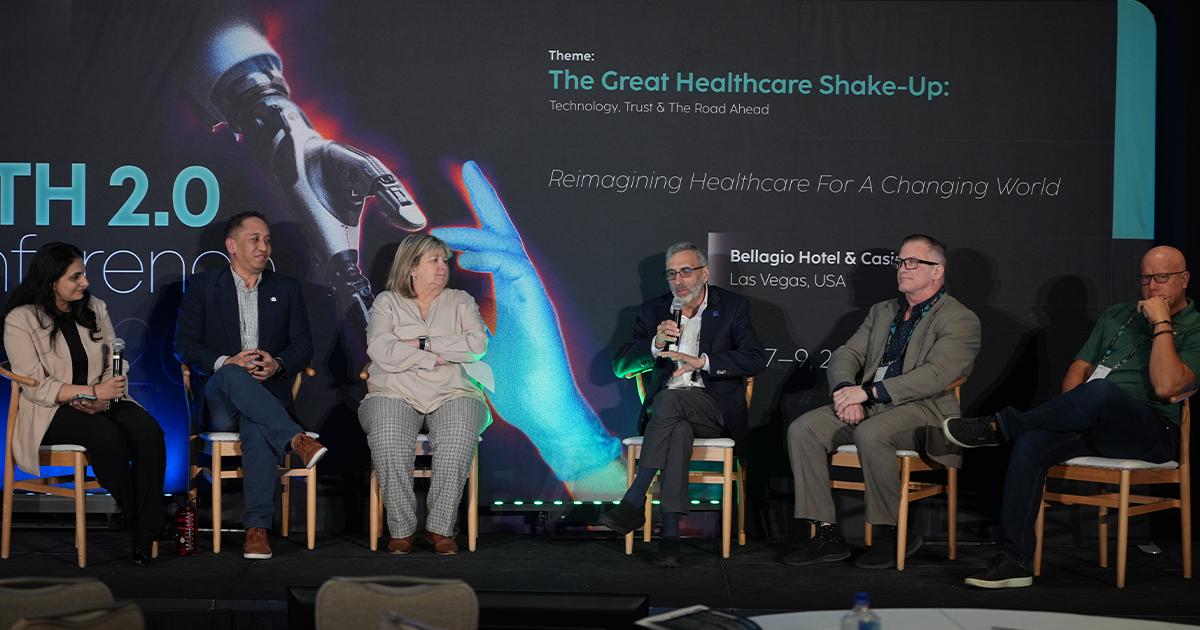
Against this backdrop, the Health 2.0 Conference, held at the Bellagio Hotel & Casino in Las Vegas, Nevada, from April 7–9, 2026, brought together healthcare leaders and innovators to explore an important question: What a future-ready healthcare system should look like?
The panel featured Kenneth Lin, Dr. Greg Caldwell, OD, FAAO, Dr. Anne Deatly, Dr. Deepak Pahuja, Mehul Pahuja, and Dr. Hany Demian, MD. While their backgrounds varied significantly, the ideas they shared pointed toward a common direction. The future of healthcare may not be built around treating more diseases. It may be built around helping people stay healthier, longer.
Moving Beyond Disease Management Toward Whole-Person Care
Modern healthcare has achieved remarkable progress through specialization. Yet one challenge continues to surface across the industry: patients are often treated through separate specialties, while the factors influencing their health remain deeply connected.
That reality shaped much of the discussion around whole-person care. Drawing from her journey from microbiology research into holistic health, Dr. Anne Deatly, CEO and Founder of Optimal Health and Wellness Center and E Quantum Breakthroughs, encouraged attendees to look beyond traditional definitions of wellness. As she explained, “Health is not just the lack of disease. It is this vibrancy. It is this radiance.”
Her remarks reflected growing interest in understanding the underlying influences on long-term well-being rather than focusing exclusively on symptoms after they appear. From a clinical perspective, Dr. Greg Caldwell reinforced this idea by highlighting that more than 300 diseases can be identified through an eye examination. His observations underscored how different aspects of health are often interconnected, despite healthcare frequently operating across separate specialties. Together, their insights pointed toward a future where healthcare becomes more integrated and centered on the whole person rather than isolated conditions.
Expanding Access Through Innovation And Rural Healthcare Solutions
A future-ready healthcare system cannot be measured solely by the quality of care available in major cities. Access remains one of healthcare's most persistent challenges, particularly for rural communities where patients often face barriers that can delay treatment and worsen outcomes.
Addressing this issue, Mehul Pahuja focused on challenges such as limited specialist availability, transportation barriers, and longer emergency response times. His discussion around a web-based application designed to support individuals experiencing emergencies such as severe blood loss, burns, and cardiac events demonstrated how technology can help bridge critical gaps in care and provide guidance when immediate medical assistance may not be available.
Access becomes even more important during emergencies, where every minute can make a difference. Looking at healthcare through the lens of emergency response and field care, Kenneth Lin, drew attention to hemorrhage management and the importance of addressing preventable causes of death before patients reach a medical facility. His perspective highlighted the need for healthcare innovations that extend beyond hospitals and function effectively in real-world environments where timely intervention can save lives.
AI As An Enabler Rather Than A Replacement
Few topics are generating as much attention across healthcare as artificial intelligence. Yet rather than focusing on what AI might replace, the panel concentrated on how it can strengthen healthcare delivery.
As healthcare organizations increasingly adopt data-driven tools and intelligent systems, questions around balancing technology with patient care continue to grow. Addressing this issue, Dr. Deepak Pahuja, Chief Medical Officer at Aerolib Healthcare Solutions LLC, emphasized that “future-ready healthcare needs to be patient-focused, patient-centric.” His remarks reflected the importance of ensuring that innovation serves patients rather than becoming an end in itself.
At the same time, the conversation at the health summit 2026 acknowledged that technology works best when paired with human expertise. Capturing this balance, Dr. Greg Caldwell, Doctor of Optometry and Co-founder of Optometric Education Consultants, remarked that “the future of healthcare is not artificial intelligence in healthcare. It's augmentive intelligence in healthcare.” The statement highlighted a recurring theme throughout the session: AI may improve decision-making and efficiency, but human judgment, empathy, and experience remain central to healthcare.
Personalized Medicine And The Pursuit Of Longevity
As healthcare becomes increasingly data-driven, providers are gaining new opportunities to move beyond one-size-fits-all approaches and deliver care that reflects individual needs.
Exploring this shift, Dr. Hany Demian focused on longevity, regenerative medicine, cellular health, and the growing importance of understanding biological age. Rather than waiting for illness to appear, he advocated for approaches that help individuals monitor and optimize their health earlier in life.
Challenging attendees to rethink traditional assumptions about aging, Dr. Hany Demian, Founder and CEO of Praesentia Healthcare, asked, “What if aging becomes optional?” The question reflected growing interest in extending not only lifespan but also healthspan. Advances in regenerative medicine, stem cells, platelet-rich plasma therapies, peptides, and other emerging fields are encouraging healthcare organizations to explore more personalized approaches to long-term wellness and disease prevention.
Building A Healthcare System That Can Sustain Progress
While innovation often dominates conversations about the future, meaningful progress cannot happen without sustainability.
New technologies, advanced therapies, and emerging care models all require healthcare organizations to operate within increasingly complex financial environments. Insurance challenges, payer relationships, and operational pressures continue to shape how care is delivered. Addressing these realities, Dr. Deepak Pahuja, Chief Medical Officer at Aerolib Healthcare Solutions LLC, emphasized that “future-ready healthcare needs to be patient-focused, patient-centric.” At the same time, he highlighted the importance of creating systems that can support innovation while remaining financially viable.
The message resonated because healthcare transformation depends not only on new ideas but also on the ability to implement and sustain them over time. This balance between innovation and operational sustainability will remain critical as healthcare continues to evolve.
Reimagining What Healthcare Can Be At Health 2.0 Conference
Despite approaching the topic from different areas of expertise, the panelists consistently returned to a common set of priorities: prevention, personalization, accessibility, integration, and responsible technology adoption. Collectively, their insights reflected a growing recognition that the future of healthcare cannot be defined by a single innovation, treatment model, or technological advancement. Instead, it will be shaped by how effectively healthcare systems help people stay healthy, improve access to care, and respond more proactively to individual needs.
At the Health 2.0 Conference, conversations like this reflect a broader shift taking place across healthcare. The future is no longer centered solely on treating disease; it is increasingly focused on prevention, personalization, accessibility, and empowering individuals to take a more active role in their health.
The ideas shared throughout this session reinforced a simple yet powerful message: the most effective healthcare systems of tomorrow will not only help people recover from illness but also support them in staying healthier for longer and living with a better quality of life. Healthcare is evolving at an unprecedented pace, and the conversations shaping its future are far from over. Join us at the upcoming health summit to discover new perspectives, emerging innovations, and meaningful discussions influencing the next chapter of healthcare.
FAQs
Which Industry Experts Participated In This Health 2.0 Conference Panel?
The panel brought together experts from healthcare operations, optometry, regenerative medicine, defense technology, rural healthcare innovation, and holistic wellness, offering diverse perspectives on the future of healthcare.
What Made This Panel Discussion Unique At Health 2.0 Conference 2026?
The discussion brought together voices from multiple disciplines rather than focusing on a single area of healthcare. This allowed attendees to explore the future of healthcare through clinical, technological, operational, and patient-centered perspectives.
How Do Cross-Industry Discussions Benefit Healthcare Innovation?
Bringing together experts from different sectors encourages the exchange of ideas, helps identify shared challenges, and creates opportunities for collaborative solutions that may not emerge within a single specialty.
Why Are Multi-Disciplinary Approaches Becoming More Important In Healthcare?
Healthcare challenges are often interconnected. Multi-disciplinary approaches can help organizations address clinical, technological, operational, and patient-related needs more effectively.
How Can Collaboration Influence The Future Of Healthcare Delivery?
Collaboration between healthcare providers, technology innovators, researchers, and industry leaders can support the development of more coordinated, accessible, and patient-focused healthcare solutions.
Author Bio
Aayushi Kapil
Aayushi Kapil, one of the enthusiastic Health 2.0 Conference’s organizing team members, is passionate about learning new advances in the healthcare sector. Health 2.0 Conference provides a vibrant platform to highlight escalating hospital management systems, school nutrition policies, and how patients can be vigilant about insurance spam and billing scams perpetrated by fraudsters.
Recent Blogs
-

Advancements In Alzheimer’s Research: New Hopes And Strategies
Posted on : July 25, 2024 -
Harnessing Tech For Health: The Impact Of Fitness Apps On Wellness
Posted on : July 05, 2024 -

2025 US Healthcare Events To Unveil Nutritional Science's Role In Obesity Treatments
Posted on : June 28, 2024 -

Holistic Health Approaches: Combining Traditional And Alternative Medicine
Posted on : June 19, 2024 -

Health Events In Vegas To Highlight Strategies For Inclusive Care
Posted on : June 03, 2024 -

Role Of AI In Shaping the Future Of Personalized Healthcare
Posted on : May 28, 2024 -

The Power Of Mindfulness In Stress Reduction | Health 2.0 Conference
Posted on : January 18, 2024 -
2024 Health Events: Your Gateway To Fresh Opportunities In Healthcare
Posted on : November 15, 2023 -

Exploring The Latest Frontiers In Clinical Psychology — Reviews From Healthcare Experts
Posted on : October 12, 2023 -
Beware Of Diabetes Management Scam Apps: Protecting Your Health & Wallet
Posted on : October 10, 2023