

Health 2.0 Conference Examines The Rise Of Prescription Software In Healthcare
Posted on : August 06, 2026

Imagine a patient receiving a prescription from a healthcare provider, not for medication, but for software designed to support the management of a medical condition. Through a smartphone, tablet, or connected device, the patient gains access to evidence-based therapeutic interventions that can complement traditional treatment plans and encourage ongoing engagement with their care. Could prescription software become an increasingly important part of how healthcare is delivered and managed? Digital therapeutics (DTx) represent a growing category of healthcare solutions that use clinically validated software to help prevent, manage, or treat medical conditions.
Growing investment in digital health technologies, increasing demand for personalized care, and advances in connected healthcare ecosystems have contributed to rising interest in these software-driven interventions. Healthcare organizations continue to explore how digital therapeutics can support patient outcomes while expanding access to care beyond traditional clinical settings. These developments continue to influence discussions at healthcare conferences worldwide, including the Health 2.0 Conference, where healthcare leaders, innovators, and policymakers examine emerging technologies shaping the future of patient care.
TL;DR: Quick Recap
- Digital therapeutics use evidence-based software to support healthcare outcomes.
- DTx solutions differ from general wellness and fitness applications.
- Prescription software is being explored across multiple therapeutic areas.
- Patients, providers, and healthcare organizations may benefit from DTx solutions.
- Adoption continues to face regulatory, accessibility, and integration challenges.
- Interest in digital therapeutics is expected to grow alongside broader digital health innovation.
What Are Digital Therapeutics?
Digital therapeutics are software-based interventions designed to prevent, manage, or treat medical conditions. They often combine clinical expertise, behavioral science, and technology to deliver therapeutic support through digital platforms. Growing interest in personalized care and digital health innovation has spurred the development of solutions that support patients both within and beyond traditional healthcare settings. Such developments are becoming increasingly visible across global health conferences scheduled in Dubai in 2027.
Digital therapeutics provide structured, evidence-based interventions that help establish digital therapeutics as an emerging component of modern healthcare delivery. Let us look at some of the characteristics that help define digital therapeutics:
- Evidence-Based Clinical Interventions: Digital therapeutics are developed using clinical research and scientific evidence to support specific healthcare outcomes and treatment goals.
- Software-Driven Therapeutic Support: These solutions deliver structured interventions through software platforms that can guide patient behavior, education, and self-management activities.
- Clinician-Supported Treatment Pathways: Many digital therapeutics are integrated into broader care plans and may be prescribed or recommended by healthcare professionals.
- Continuous Monitoring & Insights: Digital platforms can collect patient information and generate insights that support treatment monitoring and ongoing engagement.
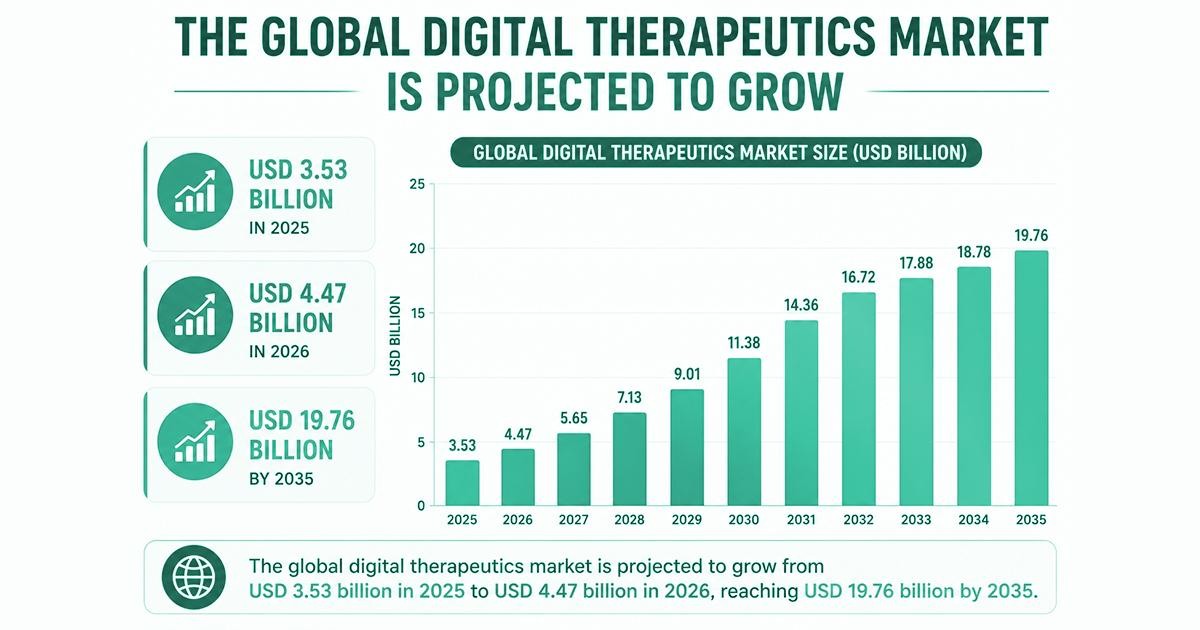
The Evolving Role Of Prescription Software In Healthcare
The range of healthcare applications for digital therapeutics continues to expand as healthcare organizations explore new ways to support patients beyond traditional care settings. According to a study by the National Library of Medicine, digital therapeutics can improve access to clinically validated treatment through web-based programs, apps, and wearables.
This highlights the growing ability of software-driven interventions to extend therapeutic support beyond traditional healthcare environments while improving accessibility and patient engagement. Their flexibility allows them to complement broader care plans across a variety of therapeutic areas. Some of the areas where digital therapeutics are gaining attention include:
- Chronic Disease Management: Digital therapeutics can help individuals manage conditions such as diabetes, hypertension, and cardiovascular disease by supporting treatment adherence, lifestyle modifications, and ongoing monitoring.
- Mental & Behavioral Health: Software-driven interventions are being used to support individuals experiencing anxiety, depression, stress, and other behavioral health concerns through structured therapeutic programs.
- Substance Use Treatment: Certain digital therapeutic solutions provide behavioral support and educational resources that can complement treatment plans for substance use disorders.
- Sleep Health Improvement: Digital platforms can help individuals develop healthier sleep habits and address behaviors that may affect sleep quality and overall well-being.
- Rehabilitation & Recovery Support: Recovery programs can incorporate digital tools that offer guided activities, progress tracking, and educational content to support patients throughout their rehabilitation journey.
The continued expansion of these applications highlights the growing role of prescription software in supporting healthcare delivery and improving patient engagement across diverse care settings.
The Potential Benefits Of Digital Therapeutics
Interest in digital therapeutics continues to grow because their impact extends across multiple participants within the healthcare ecosystem. Growing attention to patient-centered care and digital health innovation has also increased discussions around software-enabled treatment solutions at global health conferences in 2026.
Moreover, IQVIA reports more than 360 commercially available digital therapies, including 140 approved in one or more countries and over 220 used by providers in clinics or digital care programs. This development underscores the expanding role of prescription software in modern healthcare. The potential value of digital therapeutics can be observed across several stakeholder groups:
- Patients With Ongoing Care Needs: Patients may gain access to personalized support, greater treatment engagement, and tools that encourage active participation in managing their health.
- Healthcare Providers: Access to additional patient insights can help providers monitor progress, identify trends, and support informed clinical decision-making.
- Healthcare Organizations: Digital therapeutics may contribute to broader efforts to improve care coordination, patient engagement, and healthcare delivery models.
- Family Members & Caregivers: Caregivers can benefit from greater visibility into treatment progress and access to supportive resources that encourage patient adherence.
- Health Systems & Payers: Digital therapeutic solutions may support preventive care initiatives and create opportunities for more efficient healthcare management strategies.
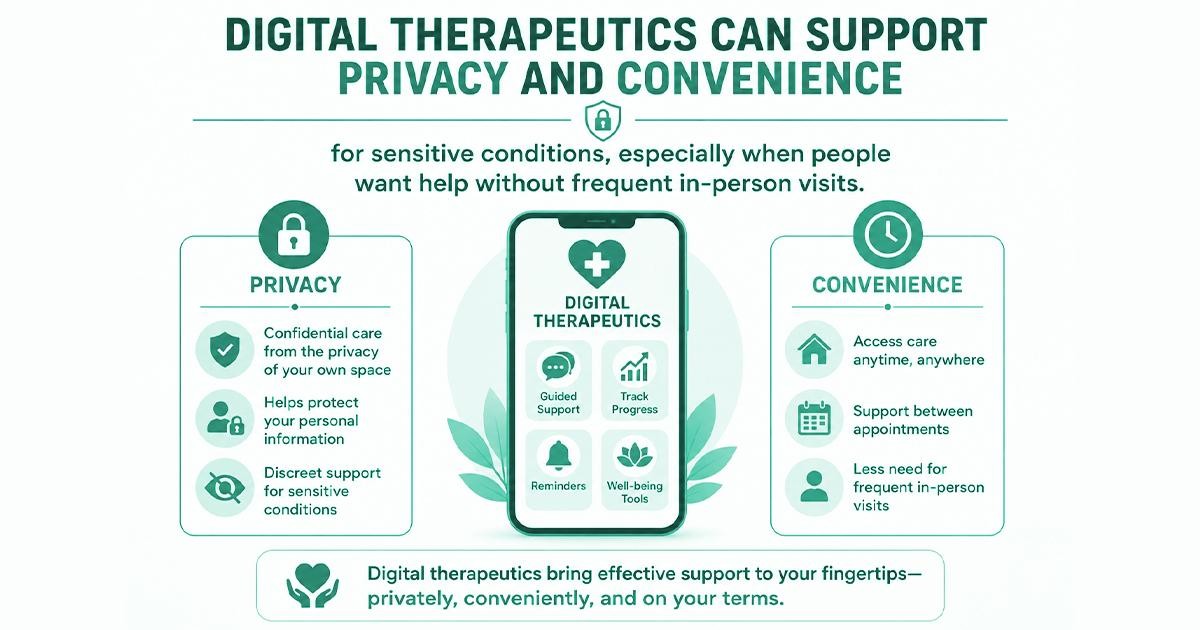
The Road Ahead For Software-Enabled Care
Healthcare innovation continues to create new opportunities for supporting patients beyond traditional care settings. Digital therapeutics represent one example of how software is becoming increasingly integrated into treatment strategies, patient engagement efforts, and healthcare delivery models. Continued advancements in technology, research, and digital health infrastructure are likely to influence how prescription software evolves in the years ahead.
The growing role of software-driven healthcare solutions is receiving significant attention at global healthcare conferences and summits. Individuals interested in understanding the growing role of digital health technologies can participate in the upcoming Dubai Edition of the Health 2.0 Conference, scheduled to take place from March 29–31, 2027, to gain valuable insights into the opportunities and challenges shaping healthcare transformation.
FAQs
Q. Why is software becoming a larger part of healthcare delivery?
A. Advances in digital health technologies, greater access to connected devices, and increasing demand for personalized care have created new opportunities for software to support healthcare services, patient engagement, and treatment management.
Q. How do healthcare providers evaluate new digital health solutions?
A. Healthcare organizations often consider factors such as clinical evidence, regulatory compliance, patient usability, data security, and compatibility with existing systems before adopting new digital health technologies.
Q. What networking opportunities are available at the Health 2.0 Conference?
A. Participants can engage with healthcare leaders, technology innovators, decision-makers, researchers, and industry experts through discussions, sessions, and collaborative networking opportunities.
Q. What role does patient engagement play in digital healthcare?
A. Patient engagement can influence how effectively individuals participate in treatment plans, monitor their health, and interact with healthcare resources. Many digital health solutions are designed to encourage active participation in care.
Q. How can I register for the Health 2.0 Conference?
A. Individuals interested in participating at the upcoming health summit in Dubai can purchase a pass directly through the official Health 2.0 Conference website. The website provides information on available event details and participation opportunities to help attendees select the option that best suits their interests and goals.
Author Bio
Aayushi Kapil
Aayushi Kapil, one of the enthusiastic Health 2.0 Conference's organizing team members, is passionate about learning new advances in the healthcare sector. Health 2.0 Conference provides a vibrant platform to highlight escalating hospital management systems, school nutrition policies, and how patients can be vigilant about insurance spam and billing scams perpetrated by fraudsters.
Recent Blogs
-
Fitness Apps & Consumer Health: A Quick Review
Posted on : December 16, 2021 -
Recent Breakthroughs & Findings In Neuroscience
Posted on : December 10, 2021 -

Physician Burnout: Causes & Interventions
Posted on : December 02, 2021 -

The Impact Of Technology On Patient Satisfaction & Outcomes
Posted on : November 25, 2021 -

Four Themes To Be Discussed At The Health 2.0 Conference
Posted on : November 16, 2021 -

A Post-Pandemic Guide To Improving Access to Healthcare
Posted on : November 09, 2021 -

Robotics In Healthcare: Transforming Patient Care Through Innovation
Posted on : October 26, 2021 -

Crucial Pharma Trends & Projections For 2022
Posted on : October 19, 2021 -

Why Organizations Need Employee Mental Health Programs
Posted on : October 19, 2021 -

Global Healthcare Conferences: Who’s Going to Attend the Health 2.0 Conference?
Posted on : September 15, 2021