

How The Health 2.0 Conference Helps Healthcare Leaders Advance AI Adoption In Healthcare
Posted on : July 08, 2026

Healthcare systems are under increasing pressure to improve efficiency, accuracy, and patient outcomes while managing rising costs and workforce constraints. Artificial intelligence is emerging as a key enabler in addressing these challenges, particularly in areas such as diagnosis support, administrative automation, drug discovery, and predictive analytics. Despite this potential, adoption remains uneven due to concerns around data privacy, integration complexity, and clinical reliability.
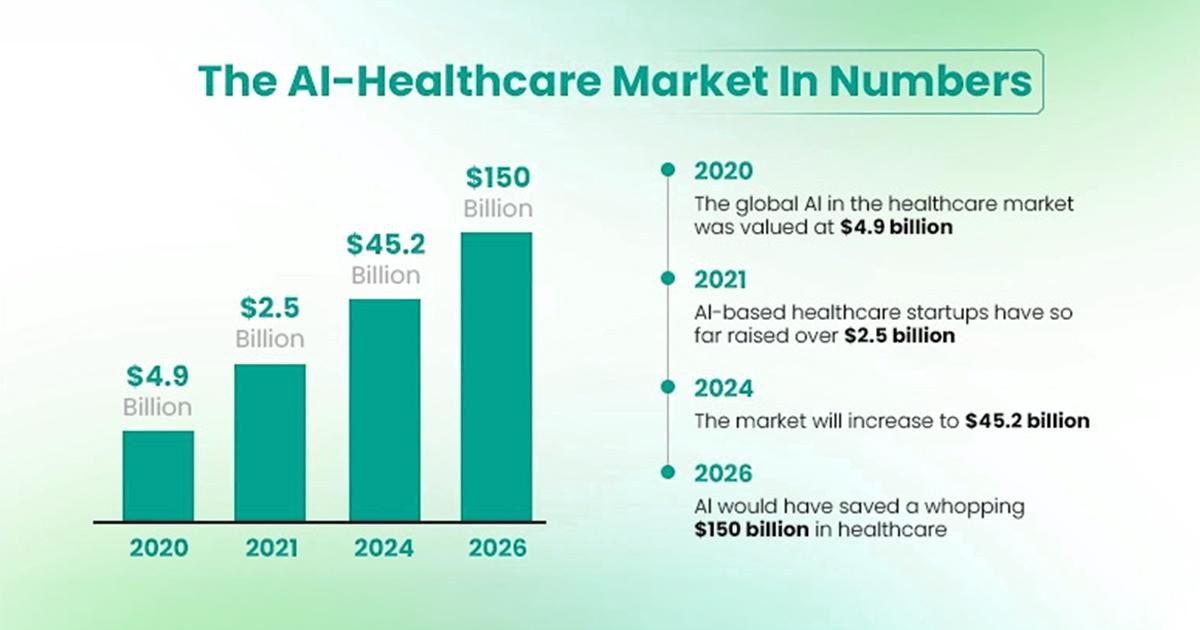
As a result, discussions around AI adoption in healthcare are becoming central to global health summits, including the Health 2.0 Conference, where industry leaders explore how emerging technologies can be safely and effectively integrated into healthcare systems. According to a McKinsey report, AI could create up to $360 billion in annual value for the global healthcare industry by improving efficiency and clinical decision-making. Understanding how this value can be realized in practice requires a closer look at the key challenges, practical solutions, and implementation strategies shaping AI adoption in healthcare today.
TL;DR Quick Overview
- AI is transforming diagnosis, treatment planning, and hospital operations.
- Healthcare adoption is slowed by data, regulation, and infrastructure challenges.
- Successful implementation requires clinical validation and ethical safeguards.
- Integration works best when AI supports, not replaces, medical professionals.
- Scalable deployment depends on data quality and system interoperability.
- Best practices focus on trust, transparency, and phased implementation.
Why Healthcare Organizations Are Investing In AI
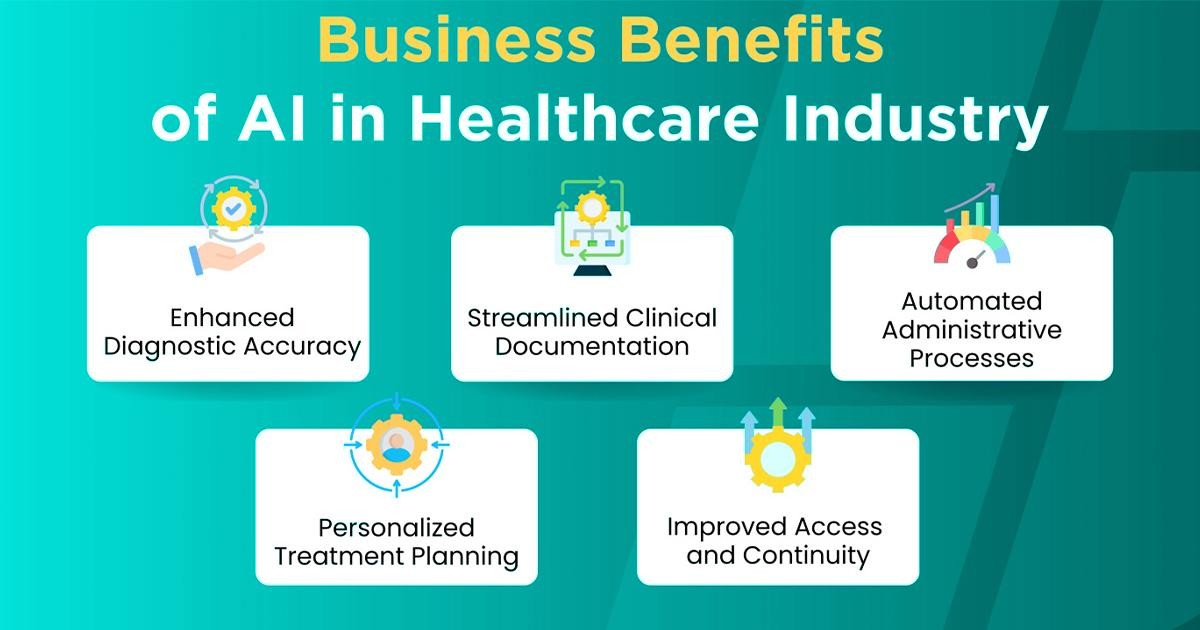
Healthcare generates vast amounts of data daily, including patient records, imaging results, lab reports, and clinical notes. Traditional systems often struggle to process and interpret this data efficiently, particularly as healthcare organizations manage growing patient volumes and increasingly complex care requirements.
AI systems can analyze large datasets quickly, identify patterns, and support decision-making processes. By transforming raw data into actionable insights, these technologies can help healthcare providers improve operational efficiency, support clinical decision-making, and enhance patient experiences. This is particularly useful in areas such as:
- Early disease detection.
- Medical imaging analysis.
- Patient risk prediction.
- Hospital resource management.
- Personalized treatment recommendations.
Beyond clinical applications, AI is also helping healthcare organizations optimize administrative processes, reduce documentation burdens, and improve resource allocation. These capabilities can enable healthcare professionals to spend more time on patient care while supporting more efficient healthcare delivery.
Key Barriers To AI Adoption In Healthcare
While AI offers significant opportunities for improving healthcare delivery, implementation is rarely straightforward. Healthcare organizations must navigate a range of technical, operational, and regulatory considerations before AI solutions can be deployed effectively at scale. Addressing these barriers is becoming a major focus of discussions at healthcare conferences and health summits, including the Health 2.0 Conference. Some of the most common challenges organizations encounter are outlined below:
1. Data Privacy & Security Concerns
Healthcare data is highly sensitive, making privacy protection a major priority. Regulations such as HIPAA and similar frameworks require strict controls over how patient data is collected, stored, and processed. Organizations must ensure that AI systems comply with data governance standards to prevent misuse or unauthorized access.
2. System Integration Challenges
Many healthcare providers rely on legacy systems that are not designed for AI integration. This creates technical challenges related to interoperability and data standardization. Without seamless integration, AI tools often operate in isolation, limiting their effectiveness in clinical environments.
3. Clinical Trust & Adoption
Healthcare professionals may hesitate to rely on AI-driven recommendations without clear evidence of accuracy and reliability. AI systems must demonstrate:
- Transparency in decision-making.
- Consistent performance across datasets.
- Clinical validation through real-world testing.
4. Regulatory Compliance
Healthcare AI tools must comply with strict regulatory frameworks that vary across regions. Approval processes can be time-consuming, especially for diagnostic or treatment-related applications. This slows down deployment but ensures patient safety remains a priority.
Strategies For Effective AI Adoption In Healthcare
Successfully implementing AI in healthcare requires more than technological investment. Organizations must ensure that AI initiatives align with clinical objectives, data governance requirements, and operational priorities.
As discussions around healthcare innovation continue at global healthcare conferences, attention is increasingly focused on practical approaches to AI adoption. The following strategies can help organizations maximize the value of AI while addressing implementation challenges.
1. Prioritize Clinical Needs Over Technology
Successful AI adoption begins with clearly defined clinical problems rather than technology-first thinking. Organizations that focus on specific healthcare challenges are often better positioned to identify AI solutions that deliver measurable value. Common high-impact use cases include:
- Reducing diagnostic errors.
- Automating administrative tasks.
- Improving patient triage systems.
- Supporting radiology and imaging analysis.
By establishing clear objectives from the outset, healthcare providers can better evaluate outcomes, allocate resources effectively, and ensure that AI initiatives remain aligned with patient care priorities.
2. Establish A Strong Data Foundation
AI performance depends heavily on data quality. Poor data quality can lead to inaccurate or biased outcomes, reducing the reliability of AI-generated insights. Healthcare organizations must invest in:
- Standardized medical records.
- Clean and labeled datasets.
- Secure data storage systems.
Consistent data management practices help improve interoperability across systems and support more effective integration of AI tools into clinical workflows.
3. Promote Human-AI Collaboration
AI should function as a support system for healthcare professionals rather than a replacement. Physicians remain central to decision-making, while AI assists with insights and recommendations. This approach improves acceptance and reduces risk.
A collaborative model also helps ensure that clinical expertise remains part of the decision-making process, particularly in complex cases where context and professional judgment are essential. When healthcare professionals understand how AI recommendations are generated, trust and adoption are more likely to increase across the organization.
Turning AI Innovation Into Healthcare Value
As AI adoption continues to mature, the focus is increasingly shifting from technological capability to responsible execution and measurable outcomes. Healthcare organizations that approach implementation with clear objectives, strong governance, and cross-functional collaboration will be better positioned to translate innovation into meaningful impact. These considerations continue to shape conversations at the upcoming health summit in Dubai, where healthcare leaders and technology experts will examine how emerging solutions can support sustainable progress across the healthcare sector.
FAQs
1. Can AI replace doctors?
A. No, AI is designed to assist healthcare professionals, not replace them. It can support clinical decision-making and improve efficiency, but medical expertise, judgment, and patient interaction remain essential components of healthcare delivery.
2. Why is data important for healthcare AI?
A. AI systems rely on high-quality data to generate accurate and reliable insights. Well-structured and representative data also helps improve the performance, consistency, and trustworthiness of AI-driven recommendations.
3. What topics are commonly discussed at healthcare conferences?
A. Healthcare conferences often cover topics such as digital health, artificial intelligence, patient care, healthcare leadership, medical technologies, regulatory developments, and emerging industry trends. These discussions help attendees stay informed about changes shaping the healthcare sector.
4. What networking opportunities do global healthcare summits offer?
A. Healthcare conferences provide opportunities to connect with healthcare leaders, clinicians, technology providers, researchers, and decision-makers. This helps attendees expand their professional relationships and exchange industry knowledge.
5. What are the first steps to implement AI in a hospital?
A. Organizations should begin with pilot projects focused on specific clinical or operational challenges before expanding implementation. This approach allows healthcare providers to evaluate performance, identify potential barriers, and make informed decisions before scaling AI initiatives.
Recent Blogs
-
Fitness Apps & Consumer Health: A Quick Review
Posted on : December 16, 2021 -
Recent Breakthroughs & Findings In Neuroscience
Posted on : December 10, 2021 -

Physician Burnout: Causes & Interventions
Posted on : December 02, 2021 -

The Impact Of Technology On Patient Satisfaction & Outcomes
Posted on : November 25, 2021 -

Four Themes To Be Discussed At The Health 2.0 Conference
Posted on : November 16, 2021 -

A Post-Pandemic Guide To Improving Access to Healthcare
Posted on : November 09, 2021 -

Robotics In Healthcare: Transforming Patient Care Through Innovation
Posted on : October 26, 2021 -

Crucial Pharma Trends & Projections For 2022
Posted on : October 19, 2021 -

Why Organizations Need Employee Mental Health Programs
Posted on : October 19, 2021 -

Global Healthcare Conferences: Who’s Going to Attend the Health 2.0 Conference?
Posted on : September 15, 2021