

Shaping Healthcare With AI: From Diagnostics To Decision Support Systems
Posted on : September 01, 2023

In today's rapidly evolving technological landscape, artificial intelligence (AI) has emerged as a transformative force. AI is making its way into various industries, and healthcare is no exception. But how does AI integrate into healthcare? And what all does it cover? Let’s find out.
Revolutionizing Diagnostics With AI
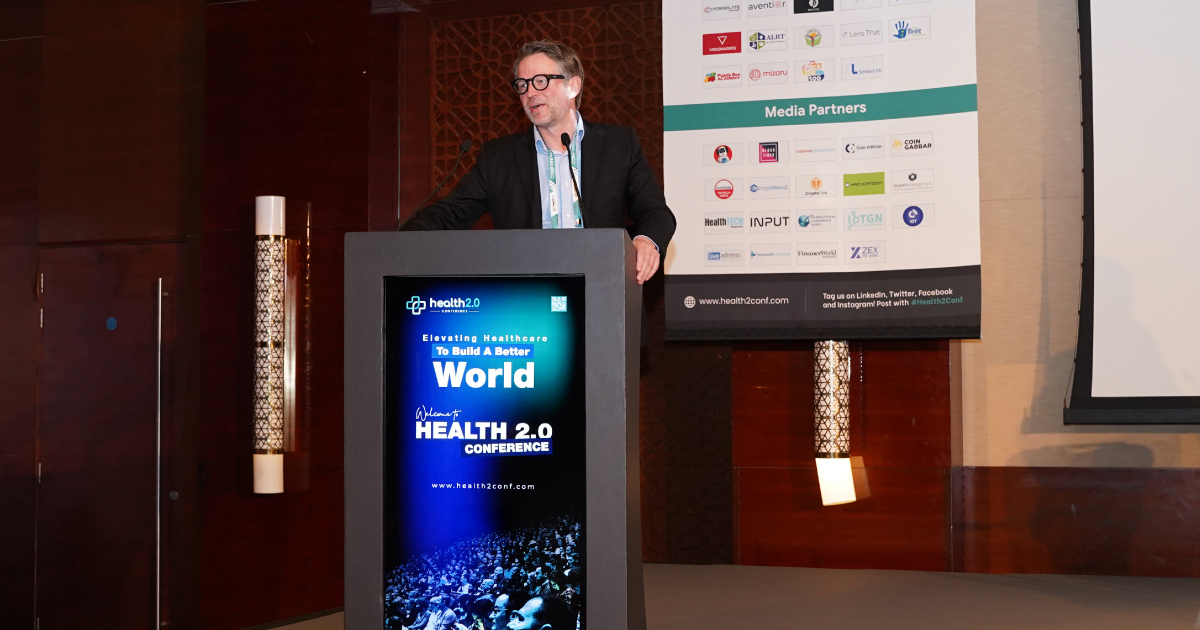
The integration of AI in healthcare has shown immense promise in revolutionizing diagnostics. Ultimately, this has enhanced patient care and outcomes. Experts at the Health 2.0 Conference explore the role of AI in shaping the healthcare landscape. Let’s review these insights:
- Image Analysis And Interpretation
AI-powered algorithms are transforming medical imaging. They accurately analyze and interpret complex images such as X-rays, MRIs, and CT scans. By doing so, these algorithms can identify subtle anomalies that might be missed by human eyes. This mechanism leads to earlier and more precise diagnoses.
- Pathology And Histopathology
AI is being utilized to analyze histopathological slides. This assists pathologists in detecting patterns and anomalies in tissues. This reduces the subjectivity in diagnosis and speeds up the process, ultimately leading to quicker and more accurate treatment decisions.
- Genomic Analysis
AI algorithms are capable of analyzing vast amounts of genomic data. This enables them to identify genetic markers associated with various diseases. This aids in the identification of personalized treatment plans and potential genetic predispositions to certain conditions.
- Early Disease Detection
AI-driven predictive models can analyze patient data to identify early signs of diseases. This allows for timely interventions and preventive measures. This proactive approach can significantly improve patient outcomes and reduce healthcare costs. This collectively makes world-class healthcare available to all.

Enhancing Treatment Decisions Through AI
- Personalized Treatment Plans
AI algorithms take into account an individual's medical history, genetics, and other relevant data. Then it suggests personalized treatment plans. This tailoring of treatment can lead to better outcomes and reduced adverse effects.
- Drug Discovery And Development
AI accelerates drug discovery by analyzing vast databases of molecular structures and predicting potential drug candidates. This expedites the drug development process and opens avenues for more targeted therapies.
Upcoming healthcare events in the USA are taking note of this feature. They are inviting healthcare professionals from around the world to share more perspectives about the revolutionary potential of AI.
- Predictive Analytics
AI models can predict patient responses to different treatments based on historical data. This enables clinicians to make informed decisions about the most effective interventions, improving patient response rates.
- Monitoring And Adverse Event Detection
AI-powered monitoring systems continuously track patient data. By doing so, they detect any deviations from normal parameters. This helps in identifying adverse events early and adjusting treatment plans accordingly.
Streamlining Administrative And Operational Processes
- Patient Data Management
AI-driven electronic health record (EHR) systems organize and manage patient data efficiently. This leads to reduced administrative burden, improved data accuracy, and seamless information sharing among healthcare providers. Smart healthcare events in Dubai are facilitating discussions on this topic so as to make this feature known to the global healthcare workforce.
- Resource Allocation
AI analytics assist healthcare institutions in optimizing resource allocation. This happens by predicting patient admission rates, identifying peak times, and allocating staff accordingly. This ensures efficient utilization of resources and enhanced patient care.
- Billing And Claims Processing
AI automates billing and claims processing, minimizing errors and reducing the time spent on administrative tasks. This allows healthcare professionals to focus more on patient care.
- Virtual Health Assistants
AI-powered virtual assistants provide patients with relevant information, appointment scheduling, and even symptom assessment. This enhances patient engagement and satisfaction while reducing administrative workload.
Ethical And Regulatory Considerations In AI Healthcare
- Data Privacy And Security
With the integration of AI comes the responsibility of protecting patient data. Legit measures must be in place to ensure the privacy and security of sensitive medical information.
- Transparency And Explainability
AI algorithms should be transparent and explainable, especially in critical decision-making processes. Patients and healthcare professionals need to understand how AI arrives at its conclusions.
To share this information with healthcare providers around the world, upcoming healthcare events in the USA are taking a keen initiative. Health 2.0 Conference, for instance, invites global healthcare professionals to network over unique ideas and help progress the industry altogether.
- Bias Mitigation
AI systems should be designed to mitigate biases in healthcare. This is because biased algorithms could perpetuate health disparities. Diverse and representative datasets are crucial to training fair and unbiased AI models.
- Regulatory Compliance
Healthcare AI solutions must adhere to existing medical regulations and standards to ensure patient safety and quality of care. Regulatory bodies need to adapt to the evolving landscape of AI in healthcare.
Conclusion
AI’s adaptation in healthcare is multi-dimensional. It covers a broad spectrum of healthcare capabilities. Collectively, it makes healthcare outcomes increasingly better for the near future.
It is obvious that AI is reshaping the healthcare landscape. However, these advancements also bring ethical and regulatory considerations that demand careful attention. As we move forward, the collaboration between technology and healthcare expertise will continue to define the future of patient care. This will lead to more accurate diagnoses, personalized treatments, and improved overall healthcare outcomes.
Finally, the Health 2.0 Conference also plays a key role in fulfilling this goal. This smart healthcare event in Dubai channelizes global trends in healthcare towards the betterment of the industry, enabling knowledge-sharing and networking opportunities for all!
Recent Blogs
-

Health 2.0 Conference Highlights Challenges And Opportunities In Alzheimer’s Diagnosis
Posted on : December 22, 2025 -

Health 2.0 Conference Highlighted Patents Vs Patients In The Debate Over Innovation & Access
Posted on : November 19, 2025 -

Health 2.0 Conference Brings Expert Insights On The Future Of AI Wearables
Posted on : November 03, 2025 -

Health 2.0 Conference Highlights Five Ways In Which AI Is Transforming Healthcare
Posted on : October 23, 2025 -

The Scale Agency Joins As Official Marketing Partner For Health 2.0 Conference
Posted on : September 26, 2025 -

Health 2.0 Conference Reviews Alarming Rise Of Phantom Charges In Telemedicine
Posted on : September 22, 2025 -

Health 2.0 Conference Exposes Scam Offenses In Senior Healthcare Billing
Posted on : September 09, 2025 -
Health 2.0 Conference Uncovers Telemedicine Scam Tactics You Need To Know!
Posted on : August 13, 2025 -

Health 2.0 Conference Reviews Rising Billing Scam Incidents In Wellness Clinics
Posted on : July 31, 2025 -

Why You Can’t Afford To Miss The Health 2.0 Conference's Student Pass Program
Posted on : July 24, 2025